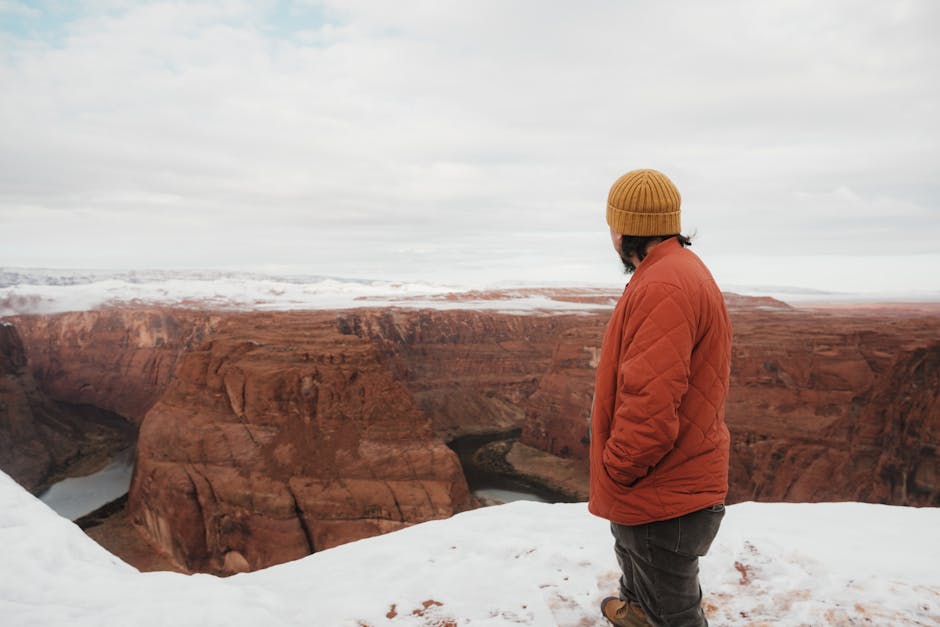
Key Takeaways
- Interest in wilderness quest and men’s initiation experiences is rising as more men seek structured ways to reflect and reset.
- A vision quest for men offers solitude, time in nature, and a clear framework for navigating life transitions.
- Many modern cultures lack formal rites of passage, leading men to explore intentional experiences that mark change.
- Practices like the vision fast for men emphasize disconnection from routine and deeper self-inquiry.
- These experiences are less about escape and more about returning with clarity, direction, and renewed perspective.
Why Men Are Turning to Wilderness Quest and Initiation Experiences Today
In a world that rarely slows down, more men are stepping away from routine life and into the wilderness—not for adventure alone, but for something deeper. Across different age groups and backgrounds, there is a growing interest in experiences like the wilderness quest and structured forms of men’s initiation.
These aren’t typical retreats. They are designed as intentional, often challenging experiences that ask participants to disconnect from everyday distractions and spend time in reflection, often alone in nature. For many, the appeal lies in something that modern life does not easily provide: a clear space to pause, think, and reassess direction.
So why now?
The Absence of Modern Rites of Passage
Historically, many cultures marked transitions—especially the shift from adolescence to adulthood—through rites of passage. These experiences were often demanding and symbolic, signaling a clear movement from one stage of life to another.
Today, those structures are far less visible.
Graduations, career changes, and personal milestones exist, but they are rarely framed as meaningful transitions that require reflection or acknowledgment. Without these markers, many men move through life without a defined moment to pause and ask important questions about purpose, identity, or direction.
This absence has led to a renewed interest in experiences that fill that gap. A wilderness quest for men offers a modern interpretation of initiation, providing both structure and space for reflection.
The Need for Time Away From Constant Stimulation
Daily life is increasingly shaped by constant input—messages, notifications, deadlines, and expectations. Even during downtime, many people remain connected to devices or external demands.
Experiences like a vision fast for men deliberately remove these inputs.
By stepping into a natural environment without digital distractions, participants create conditions where attention can shift inward. The absence of noise is not just physical; it allows for a different kind of mental clarity that is difficult to access in everyday settings.
For some, this is the first time in years they have spent extended time without interruption.
Why Nature Plays a Central Role
The setting of a wilderness quest is not incidental. Nature creates a backdrop that is both simple and demanding. Without the structures of modern life, individuals must rely on themselves in new ways, even in a supported environment.
Spending time outdoors—watching weather shift, observing light change, or simply sitting in silence—often slows perception. This change in pace can bring forward thoughts and questions that might otherwise remain buried.
A vision quest is not about escaping life but about stepping outside of it temporarily to gain a clearer view.
Structured Solitude as a Tool for Reflection
One of the defining elements of a vision quest for men is the period of solo time in the wilderness. Often combined with fasting, this phase is designed to remove routine comforts and create a focused environment for reflection.
This is not isolation for its own sake. It is structured solitude.
Participants typically prepare beforehand, learning how to navigate the experience safely and setting intentions for their time alone. When the solo period begins, the absence of conversation, food, and external distractions shifts attention inward.
Some men describe this period as challenging. Others find it unexpectedly grounding. What matters is not a specific outcome, but the opportunity to engage with questions that are often avoided in daily life.
Transition Points That Prompt Change
Many participants are not seeking these experiences randomly. They are often at a point of transition.
This might include:
- a career shift
- becoming a parent
- the end of a relationship
- entering a new stage of life
- a general sense of being “between” directions
Without a clear framework for navigating these moments, it can be difficult to process them fully. A wilderness initiation offers a defined beginning, middle, and return—something that everyday life rarely provides.
This structure allows individuals to step into a transition consciously rather than simply moving through it.
The Role of Community and Shared Experience
Although solitude is central, the group component of a men’s wilderness quest is equally important.
Participants typically begin and end the experience together. This shared process creates a sense of accountability and connection, even among individuals who may not know each other beforehand.
In a setting where open conversation is encouraged, men often engage in discussions that are less common in everyday environments. This can include topics around purpose, identity, responsibility, and direction.
Programs such as those offered by Rites of Passage provide one example of how guided wilderness experiences combine individual reflection with group support, without positioning the experience as therapy or recreation.
Moving Beyond Surface-Level Experiences
Not all retreats are designed for depth. Many focus on relaxation, recreation, or general wellness.
A vision quest for men, however, is intentionally different.
It is not centered on comfort. The experience often includes physical and mental challenges that require participants to engage fully with the process. This distinction is part of the appeal for those seeking something more substantial than a typical getaway.
Rather than offering immediate answers, these experiences create conditions where insight can emerge over time.
Returning With Perspective
The final stage of a wilderness quest is often overlooked but essential: the return.
After time in solitude, participants rejoin the group and begin the process of integrating what they experienced. This may involve sharing reflections, identifying insights, or simply articulating what stood out during the solo period.
The goal is not to leave the experience behind but to bring something back from it.
For some, that might be clarity around a decision. For others, it could be a shift in perspective or a renewed sense of direction. In many cases, the value of the experience becomes clearer over time, as insights continue to unfold after returning to daily life.
A Growing Interest in Intentional Experiences
The rise in interest around wilderness quest and men’s initiation experiences reflects a broader shift. More people are looking for ways to step outside routine patterns and engage in something that feels intentional and meaningful.
These experiences are not for everyone. They require time, commitment, and a willingness to be uncomfortable. But for those who feel drawn to them, they offer something that is increasingly rare: uninterrupted space to reflect, supported by a clear structure and a natural environment.
Why This Trend Is Likely to Continue
As modern life becomes more complex and fast-paced, the desire for simplicity and clarity tends to grow. Experiences like the vision quest for men respond to that need by offering a temporary reset—one that is grounded in nature and guided by a clear process.
Rather than being a trend in the traditional sense, the renewed interest in these practices may reflect something more fundamental: a continuing human need for reflection, transition, and meaning.
For men seeking a way to step back, reassess, and move forward with intention, the wilderness remains one of the few places where that process can unfold without interruption.
Rites of Passage
PO Box 8454
Bend
Oregon
97708
United States