
Peer-reviewed study on the 660-nanometer wavelength arrives as most postmenopausal women with genitourinary symptoms still receive no treatment
WILMINGTON, DE / ACCESS Newswire / August 12, 2026 / vCare, a women’s intimate wellness company, said today that demand for its at-home red light device has surged following publication of new peer-reviewed research examining the 660-nanometer wavelength the device uses for menopause-related symptoms.
The study, published in June in PLOS ONE by researchers at National Taiwan University Hospital, followed 27 postmenopausal women through eight weekly sessions of 660-nanometer photobiomodulation. Vaginal Health Index scores rose significantly from baseline at every follow-up point, all participants reached the non-atrophic threshold three months after treatment, and no adverse events were recorded. The authors described the approach as a well-tolerated, non-hormonal option.
The findings land against a documented gap in care. Between 50 and 70 percent of postmenopausal women report symptoms of genitourinary syndrome of menopause, or GSM, yet the condition remains substantially underdiagnosed. One study found that only 13 percent of providers asked patients about GSM symptoms, and most women go untreated even after diagnosis.
Symptoms include vaginal dryness, burning, pain during intimacy, urinary urgency and recurrent infections. A multi-center study of 2,355 women found that 66 percent had never discussed sexuality with their gynecologist.
“After 15 years treating vaginal atrophy, I knew patients needed comprehensive therapy. The problem was that the cost put it out of reach for most women,” said Dr. Agnes Hules, urogynecologist and co-founder of vCare. “What surprised me was never how many women have these symptoms. It was how many had decided nothing could be done about them.”
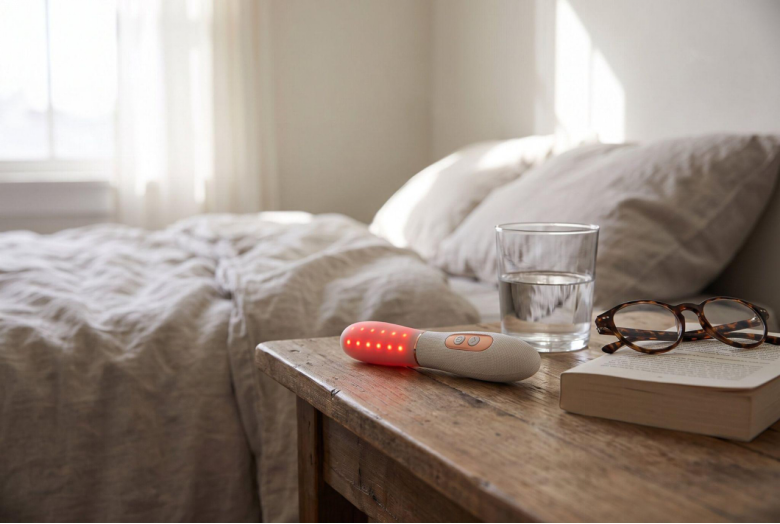
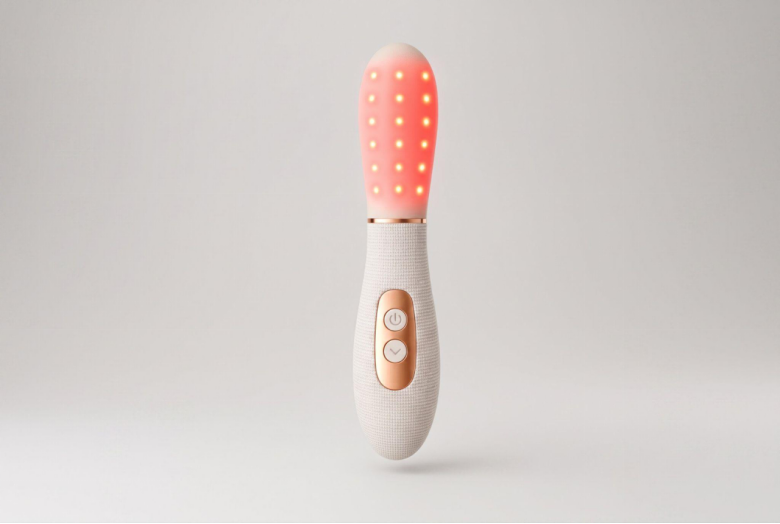
The vCare Red Light Device combines 660-nanometer red light, therapeutic warmth calibrated to 38-42 degrees Celsius and targeted vibration in a single handheld unit. It is used at home in 10- to 12-minute sessions, two to three times weekly.
The device contains no hormones or pharmaceuticals. That matters to a segment of vCare’s customer base for whom estrogen therapy is contraindicated, including breast cancer survivors and women with a history of blood clots.
Cost is a second factor. Clinical treatments for GSM typically run several thousand dollars across a full series and are rarely covered by insurance. The vCare device sells for $69.90 as a one-time purchase.
“Access is the whole problem,” Hules said. “The clinical treatments work. Most women simply cannot get to them, cannot afford them, or will not book the appointment. Something they can use privately at home removes all three barriers at once.”
The device holds a 4.7 out of 5 star rating from verified customers and carries a 12-month warranty. It is available at my-vcare.com.

About vCare
Founded to make care for menopause-related genitourinary symptoms accessible without a clinic visit or a prescription, vCare develops at-home intimate wellness devices for women. The company also produces the vCore Pelvic Wellness System and the vForm Pelvic Strength Trainer. vCare is headquartered in Wilmington, Delaware my-vcare.com
Media Contact
Sophie Jennings, Customer Relations Manager
vCare
support@my-vcare.com
+1 302-257-2909
SOURCE: vCare
View the original press release on ACCESS Newswire


